FUTURE OF LIFE PAVILION Theme: Future of Life Size: 2,014 m² Entrant: Parco, www.parco.co.jp/en Design: Ishimoto Architectural & Engineering Firm Inc. Fabrication: Haseko Corporation Additional Contributors: Jiro Endo, Soihouse Inc. Photos: Future of Life / Expo2025
If you had a robot, what would you ask it to do? What would you want to do together? What would you like to try, if you were not limited by your physical body, place, or time? How would you like to live?
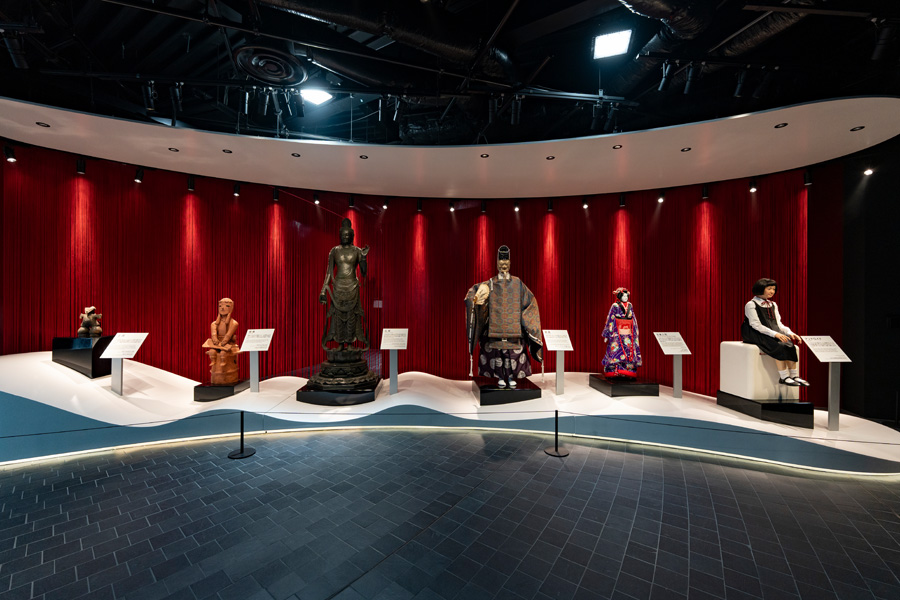
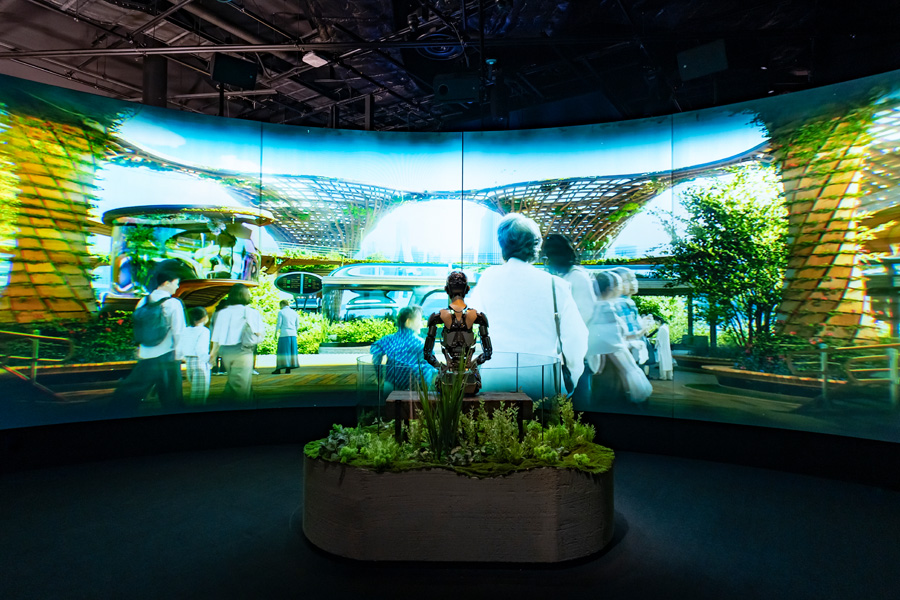
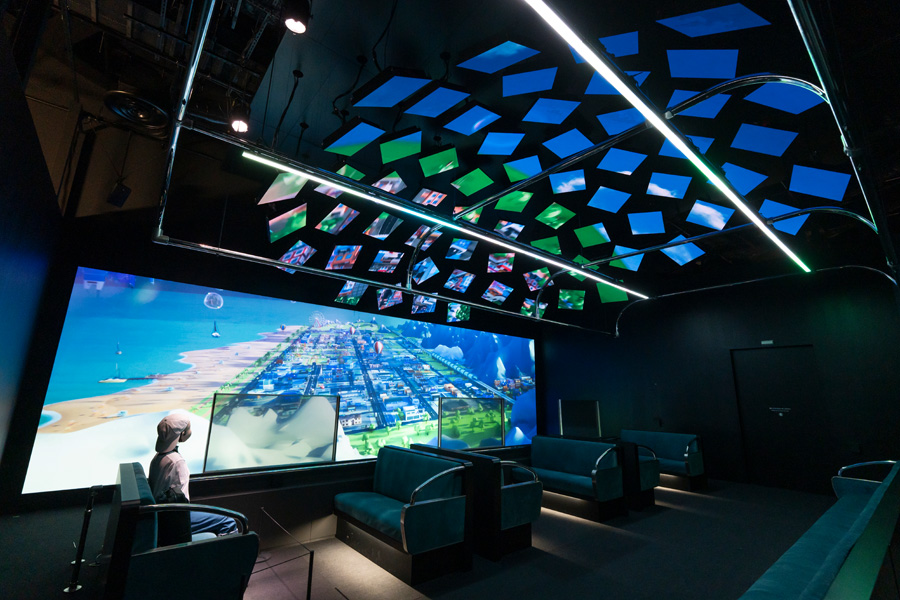
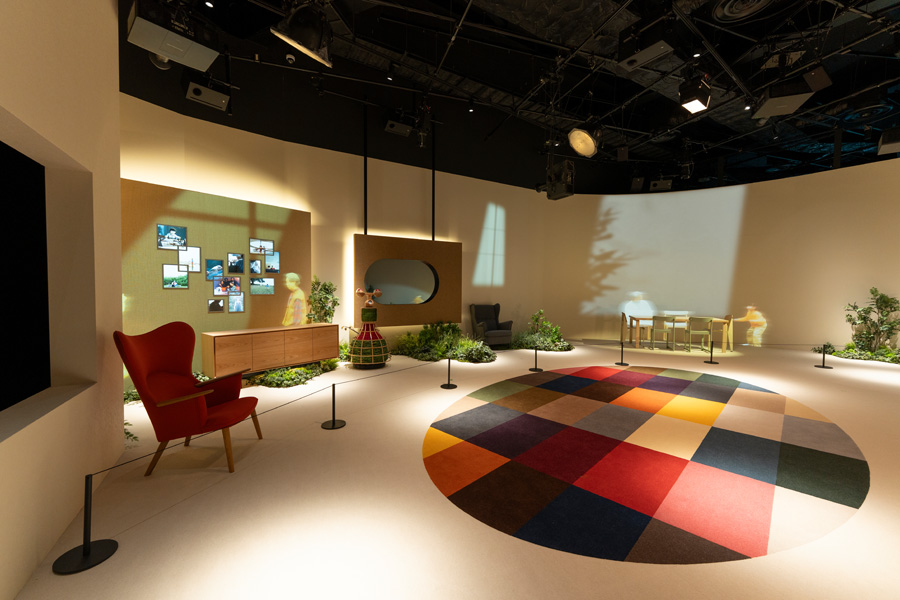
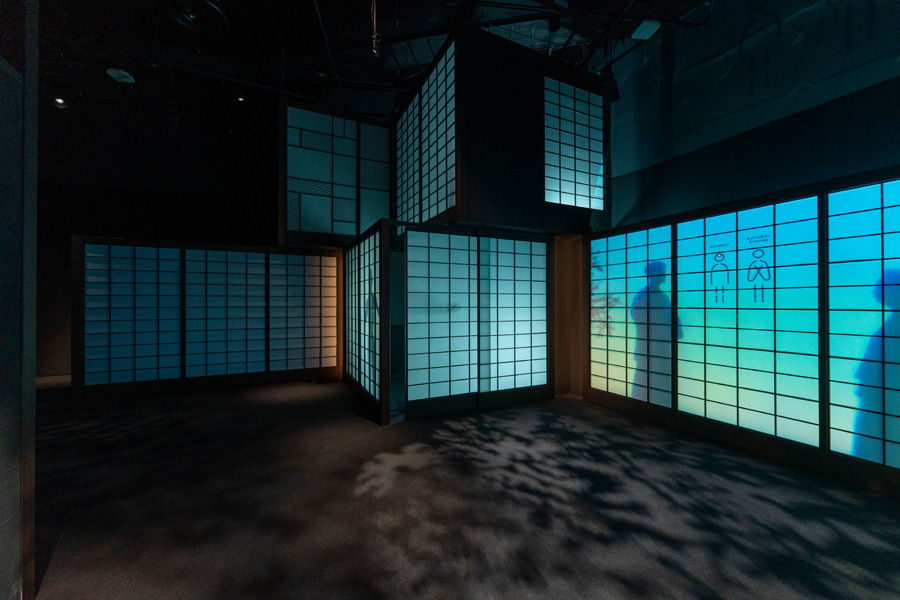
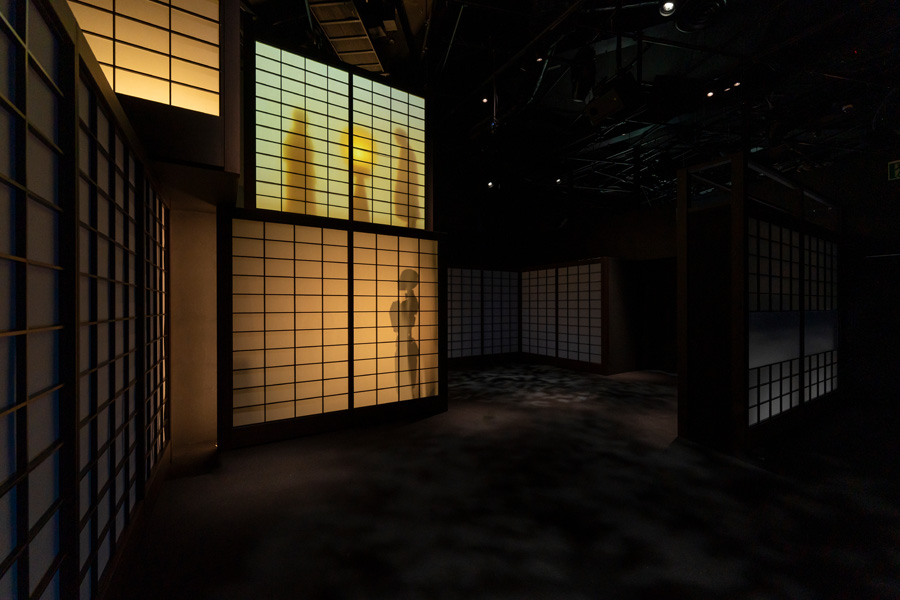
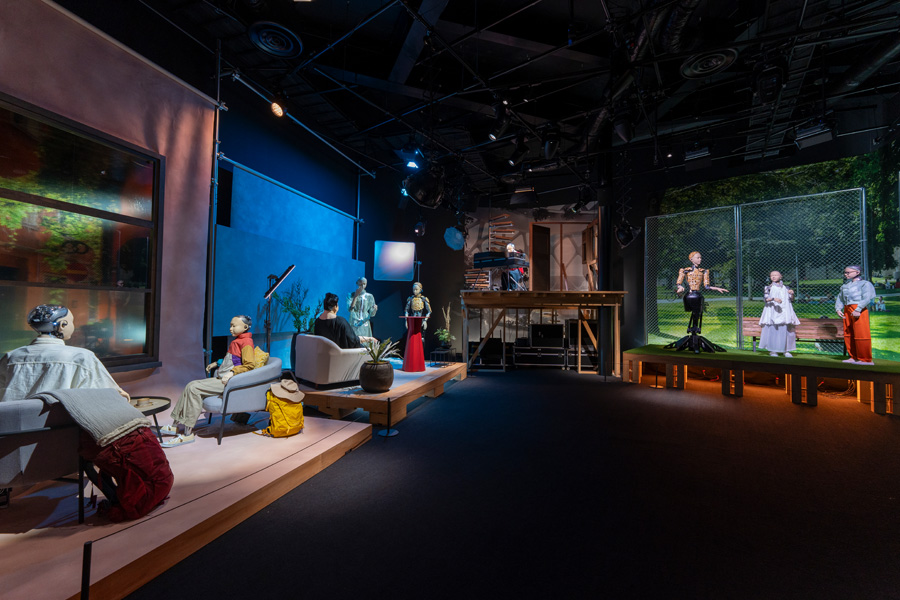
As technology advances, and as the gap between humans and robots narrows, we should see more possibilities for human life. The signature pavilion of roboticist Ishiguro Hiroshi, the Future of Life pavilion prompts visitors to explore this new reality — to try what they had given up on, to give birth to new dreams, to find a new way of living. Here, as imagined by many different companies and creators, are societies, products, and Japanese culture 50 years from now.
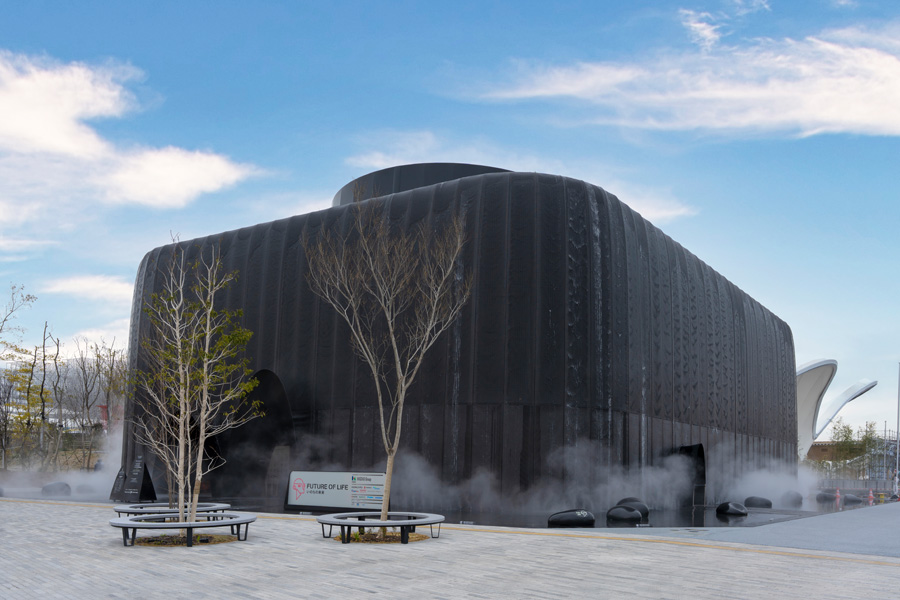
Water flowing down the exterior walls passes through a water basin at ground level, then through a storage tank under the floor, and circulates to the roof. Some of this water evaporates, lowering the temperature of the exterior walls. Additionally, the first floor features a double-layered mesh piloti on the exterior walls, creating a semi-external space that serves as a gradient boundary between the outdoor and indoor exhibition rooms.
The red wall at the center of the first floor is a seismic-resistant steel plate wall that functions as a three-dimensional bracing system, serving as the structural backbone of the building. This wall utilizes shipbuilding technology and preserves the inherent properties of iron, blending the traces of human hands and craftsmanship into a single entity. Its red paint evokes a sense of life and vitality. Behind this wall lies the final scene of the pavilion's exhibition, a space representing life 1,000 years in the future.