social media

Posting with Purpose
If your social media strategy is just announcing your booth number, you're missing the point. Here's how exhibitors can use social platforms to build attention before the show, capture it on the floor, and extend it long afterward. By Caitlin Howle
Here's a controversial take on social media: It's meant to be social. Yet many exhibitors still treat it like a broadcast channel, pushing product messages and booth announcements into the void. Meanwhile, attendees are using social media to research vendors, evaluate their credibility, and decide who's worth their time before they ever step onto the show floor.
The exhibitors winning right now aren't the loudest. They're the most intentional in creating momentum before the show, capturing attention during it, and sustaining relationships after it ends.
Treat Your Social Media Like a Meet and Greet
Many exhibitors' social media feed before a show looks like a calendar reminder. “We'll be at Booth 315; come see us!” or “Did you know we're going to be at this big event?!” That's a location update, not a social media strategy.
The truth is that most brands' social media approach focuses on yelling into the digital void and demanding attention, when the focus should be on how to approach the people behind the screens. Recent B2B buyer research shows that about half of buyers use social media to research vendors and solutions. McKinsey's latest B2B Pulse survey shows 39 percent of B2B buyers are now comfortable spending $500,000-plus per order via self-serve digital commerce or remote interactions, which is up from 28 percent two years ago. High-stakes digital decision-making isn't going away anytime soon. And it's becoming the rule, not the exception. Social media builds the expectations and trust buyers carry with them onto the show floor.
That means that if you're not engaging with attendees before the event and letting them know who you are, you're already behind. Your social posts should be an opportunity to focus on why someone needs to visit your booth and what you can do for them. Notice that both of these strategies focus on the person and how to make their lives easier.
When working among a cacophony of those digital voices, your job is to showcase solutions and provide help rather than put more things on your attendees' to-do list. Figure out where you are and what you're doing, and then figure out how you can help them.
Use Your Social Channels to Provide a Solution
Start with problem-first content: Don't lead with your product; lead with the challenge your audience is trying to solve. Posts that name a real pain point and immediately help attendees see the benefit (e.g., “this problem is solved by...”) can intrigue potential new customers before they hit the floor.
Show, don't tell: You've heard people say, “If I don't know the parking situation, I'm not going!” People are just as adverse to uncertainty on the trade show floor. Short demo clips, setup previews, or “Here's what you'll see if you stop by” videos make it easier for attendees to prioritize your booth because you've taken the mental weight of decision-making off their shoulders. If attendees already understand why you matter before they arrive, you're not competing for attention. You've already got it.
Thought Leadership: Show Your Thinking
In the wise words of A.A. Milne spoken through Winnie the Pooh, “Sometimes I sits and thinks, and sometimes I just sits.” As you transition from sell-sell-sell on social media, you'll discover a new trend in how to engage with the world. If you tracked social media buzzwords and phrases throughout the past decade, you'd see some pretty recognizable ones: hashtag strategy, cross-platform posting, etc. Right now, the phrase on everyone's lips is thought leadership. But how do you prove thought leadership without turning potential leads off and without posting, “Hi everyone, we're experts. Pinkie swear!” In other words, how do you thinks and not just sits?
Abandon the notion that it's about proving you're the smartest or most advanced company in the room. Focus on the leadership part of content. Thought leadership helps buyers understand what's changing, what mistakes to avoid, and what to consider before making a decision. Done well, it builds credibility long before the first sales conversation, online purchase, or booth visit. Help show attendees understand their problems and options so when they're ready to seek support and solutions, you're already credible.
This isn't just a nice idea. According to the 2024 Edelman-LinkedIn B2B Thought Leadership Impact Report, about three-quarters of senior decision-makers say strong thought leadership content has led them to research a product or service they weren't previously considering. LinkedIn research also shows that more than half of buyers use thought leadership during vendor evaluation, and many spend an hour or more each week consuming this type of content. Thought leadership is part of the buying process.
How to Prove Thought Leadership on Your Social Channels
Observe, share, report: Remember that social media is meant to be social. The best thought leadership leans into the idea of learning and community. It notices what's happening in real time, from meetings to show floors to customer interactions. It even blends the personal and professional, sharing what is worth paying attention to. It pulls lessons from experience, including past mistakes, and hands them to an audience before they have to learn those lessons the hard way.
To be clear, it doesn't need to be dramatic. It can be as simple as, “Here's this trend we're seeing,” “We've seen this mistake,” or “Here's our BIG takeaway.” Remember, leadership demonstrates how we can be better and move through our industry together.
Not Every Platform Belongs
The question isn't “Should we be on this platform?” It's “Can we show up here in a way that makes sense for our audience and execute it consistently?” It's like the question you probably heard as a kid: “If your friends jumped off a cliff, would you do it too?” Just because a platform is popular doesn't mean it belongs in your strategy.
Not every platform supports the same kind of conversation. YouTube rewards depth and education. TikTok rewards fast, visual storytelling. LinkedIn prioritizes professional insight. Instagram thrives on visual personality. The goal isn't to be everywhere. It's to show up where your audience already is and contribute something meaningful.
What About Hashtags?
Hashtags began in 2007 as a way to organize conversations on Twitter. They were built to help people follow topics and live discussions in real time. If you're still using hashtags the way they were used in 2012, that's the equivalent of carrying around a first-generation iPhone and insisting it's cutting edge.
On Instagram, hashtags can support discovery, but only when they're specific and intentional. They're not magic, unfortunately, and they don't automatically push your content. On LinkedIn, hashtags matter far less than the language you use in your post. On Facebook, they're largely unnecessary and make posts feel cluttered.
If your audience isn't actively using hashtags to find information, adding them to your posts doesn't help. It just makes your post harder to read. Use them when they add clarity or discoverability. Skip them when they don't.
earn attention. don't chase it.
Social media is meant to be social. Not performative. Not frantic. Not everywhere all at once. You don't need more content, you need content that is informed, considers your audience, and plays to your strengths.
The exhibitors gaining traction right now are intentional. They understand that attention is earned before the show begins, strengthened while it's happening, and extended long after the booths come down. E
The exhibitors winning right now aren't the loudest. They're the most intentional in creating momentum before the show, capturing attention during it, and sustaining relationships after it ends.
Treat Your Social Media Like a Meet and Greet
Many exhibitors' social media feed before a show looks like a calendar reminder. “We'll be at Booth 315; come see us!” or “Did you know we're going to be at this big event?!” That's a location update, not a social media strategy.
The truth is that most brands' social media approach focuses on yelling into the digital void and demanding attention, when the focus should be on how to approach the people behind the screens. Recent B2B buyer research shows that about half of buyers use social media to research vendors and solutions. McKinsey's latest B2B Pulse survey shows 39 percent of B2B buyers are now comfortable spending $500,000-plus per order via self-serve digital commerce or remote interactions, which is up from 28 percent two years ago. High-stakes digital decision-making isn't going away anytime soon. And it's becoming the rule, not the exception. Social media builds the expectations and trust buyers carry with them onto the show floor.
That means that if you're not engaging with attendees before the event and letting them know who you are, you're already behind. Your social posts should be an opportunity to focus on why someone needs to visit your booth and what you can do for them. Notice that both of these strategies focus on the person and how to make their lives easier.
When working among a cacophony of those digital voices, your job is to showcase solutions and provide help rather than put more things on your attendees' to-do list. Figure out where you are and what you're doing, and then figure out how you can help them.
Use Your Social Channels to Provide a Solution
Start with problem-first content: Don't lead with your product; lead with the challenge your audience is trying to solve. Posts that name a real pain point and immediately help attendees see the benefit (e.g., “this problem is solved by...”) can intrigue potential new customers before they hit the floor.
Show, don't tell: You've heard people say, “If I don't know the parking situation, I'm not going!” People are just as adverse to uncertainty on the trade show floor. Short demo clips, setup previews, or “Here's what you'll see if you stop by” videos make it easier for attendees to prioritize your booth because you've taken the mental weight of decision-making off their shoulders. If attendees already understand why you matter before they arrive, you're not competing for attention. You've already got it.
Thought Leadership: Show Your Thinking
In the wise words of A.A. Milne spoken through Winnie the Pooh, “Sometimes I sits and thinks, and sometimes I just sits.” As you transition from sell-sell-sell on social media, you'll discover a new trend in how to engage with the world. If you tracked social media buzzwords and phrases throughout the past decade, you'd see some pretty recognizable ones: hashtag strategy, cross-platform posting, etc. Right now, the phrase on everyone's lips is thought leadership. But how do you prove thought leadership without turning potential leads off and without posting, “Hi everyone, we're experts. Pinkie swear!” In other words, how do you thinks and not just sits?
Abandon the notion that it's about proving you're the smartest or most advanced company in the room. Focus on the leadership part of content. Thought leadership helps buyers understand what's changing, what mistakes to avoid, and what to consider before making a decision. Done well, it builds credibility long before the first sales conversation, online purchase, or booth visit. Help show attendees understand their problems and options so when they're ready to seek support and solutions, you're already credible.
This isn't just a nice idea. According to the 2024 Edelman-LinkedIn B2B Thought Leadership Impact Report, about three-quarters of senior decision-makers say strong thought leadership content has led them to research a product or service they weren't previously considering. LinkedIn research also shows that more than half of buyers use thought leadership during vendor evaluation, and many spend an hour or more each week consuming this type of content. Thought leadership is part of the buying process.
How to Prove Thought Leadership on Your Social Channels
Observe, share, report: Remember that social media is meant to be social. The best thought leadership leans into the idea of learning and community. It notices what's happening in real time, from meetings to show floors to customer interactions. It even blends the personal and professional, sharing what is worth paying attention to. It pulls lessons from experience, including past mistakes, and hands them to an audience before they have to learn those lessons the hard way.
To be clear, it doesn't need to be dramatic. It can be as simple as, “Here's this trend we're seeing,” “We've seen this mistake,” or “Here's our BIG takeaway.” Remember, leadership demonstrates how we can be better and move through our industry together.
Not Every Platform Belongs
The question isn't “Should we be on this platform?” It's “Can we show up here in a way that makes sense for our audience and execute it consistently?” It's like the question you probably heard as a kid: “If your friends jumped off a cliff, would you do it too?” Just because a platform is popular doesn't mean it belongs in your strategy.
Not every platform supports the same kind of conversation. YouTube rewards depth and education. TikTok rewards fast, visual storytelling. LinkedIn prioritizes professional insight. Instagram thrives on visual personality. The goal isn't to be everywhere. It's to show up where your audience already is and contribute something meaningful.
What About Hashtags?
Hashtags began in 2007 as a way to organize conversations on Twitter. They were built to help people follow topics and live discussions in real time. If you're still using hashtags the way they were used in 2012, that's the equivalent of carrying around a first-generation iPhone and insisting it's cutting edge.
On Instagram, hashtags can support discovery, but only when they're specific and intentional. They're not magic, unfortunately, and they don't automatically push your content. On LinkedIn, hashtags matter far less than the language you use in your post. On Facebook, they're largely unnecessary and make posts feel cluttered.
If your audience isn't actively using hashtags to find information, adding them to your posts doesn't help. It just makes your post harder to read. Use them when they add clarity or discoverability. Skip them when they don't.
earn attention. don't chase it.
Social media is meant to be social. Not performative. Not frantic. Not everywhere all at once. You don't need more content, you need content that is informed, considers your audience, and plays to your strengths.
The exhibitors gaining traction right now are intentional. They understand that attention is earned before the show begins, strengthened while it's happening, and extended long after the booths come down. E
Age May Be Just a Number, But It Influences Decisions
Millennials make up the largest share of the workforce, followed closely by Gen X, with Gen Z growing quickly, and Baby Boomers still active but gradually shrinking in representation. Most workplaces, and most trade show audiences, include four generations making decisions, researching vendors, and interacting with brands in very different ways. That means social media can't be one-size-fits-all.
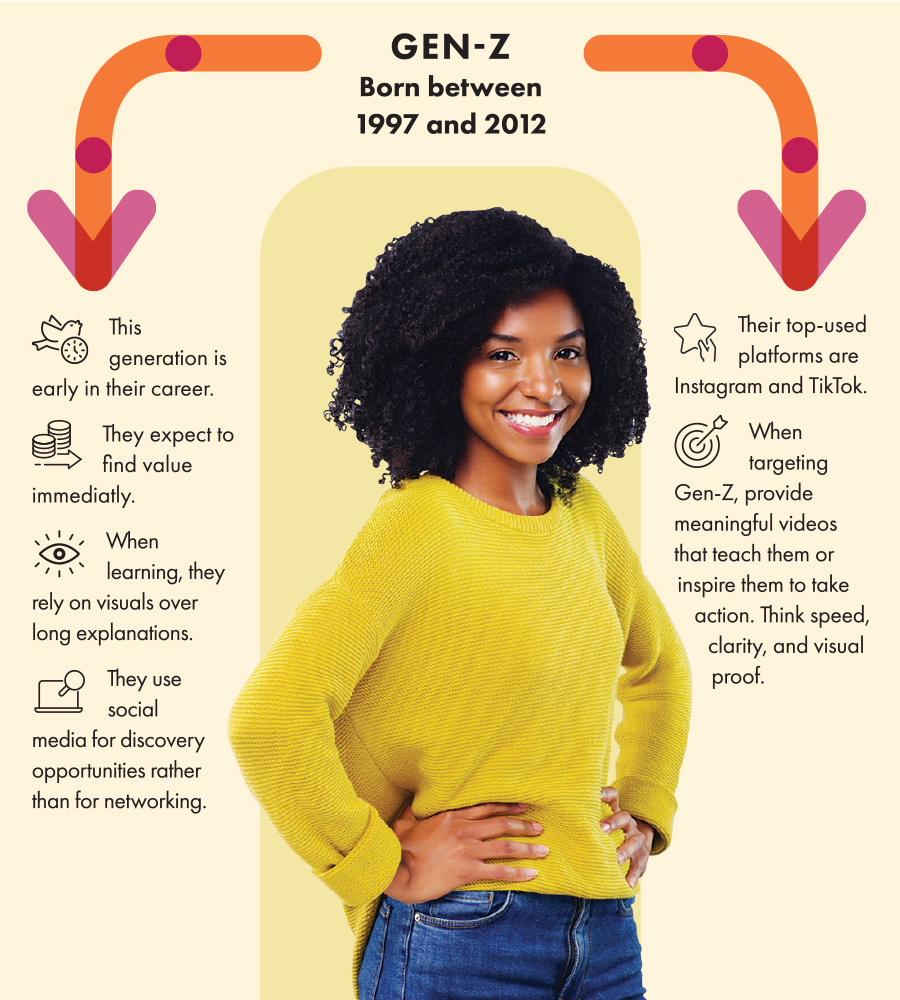
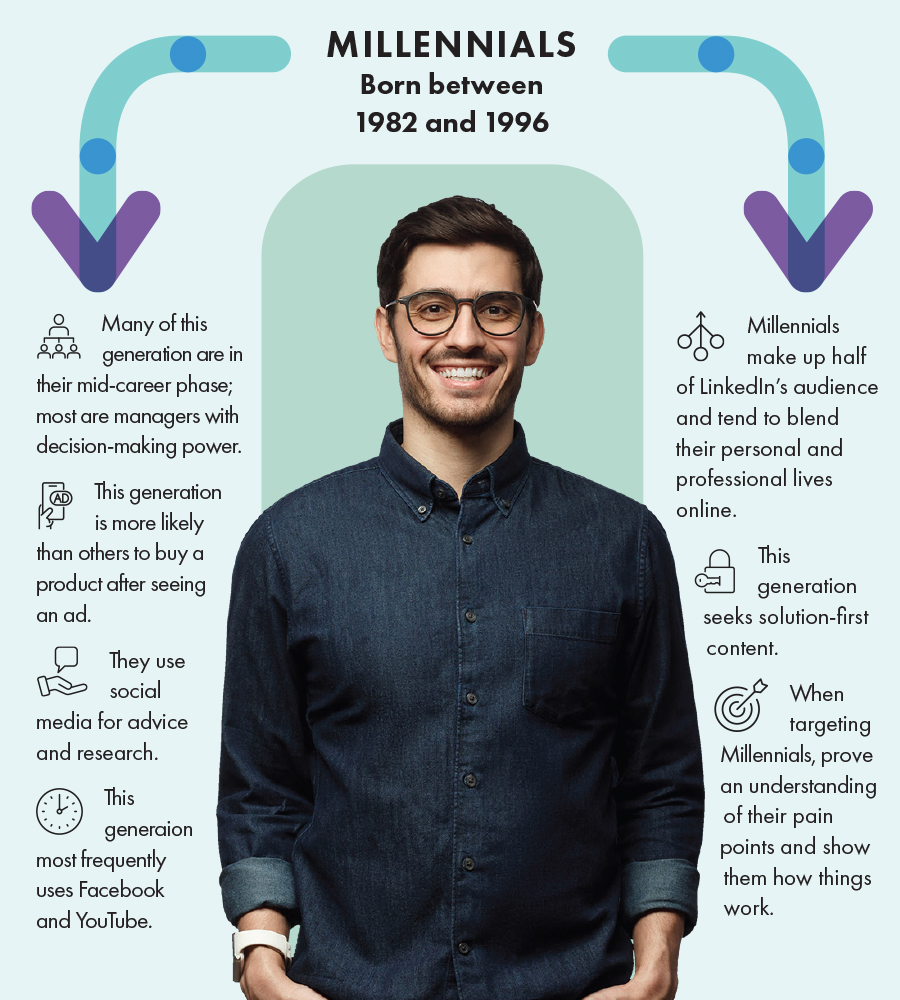
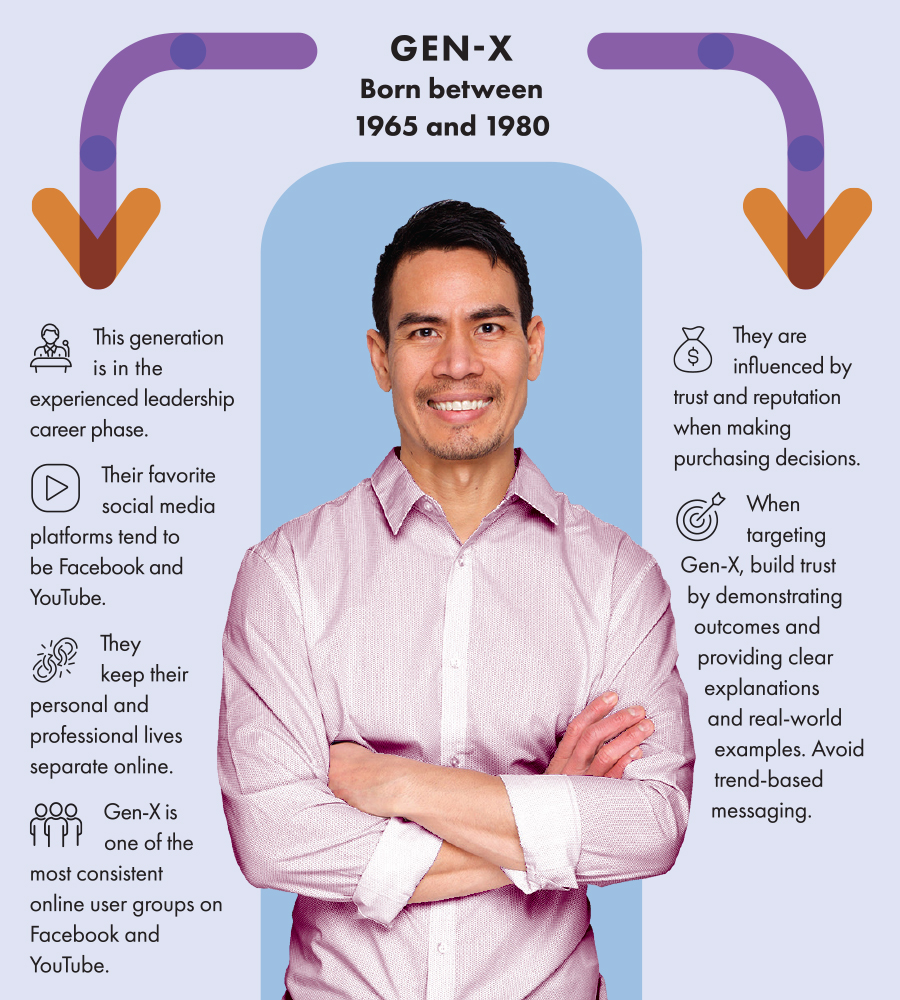
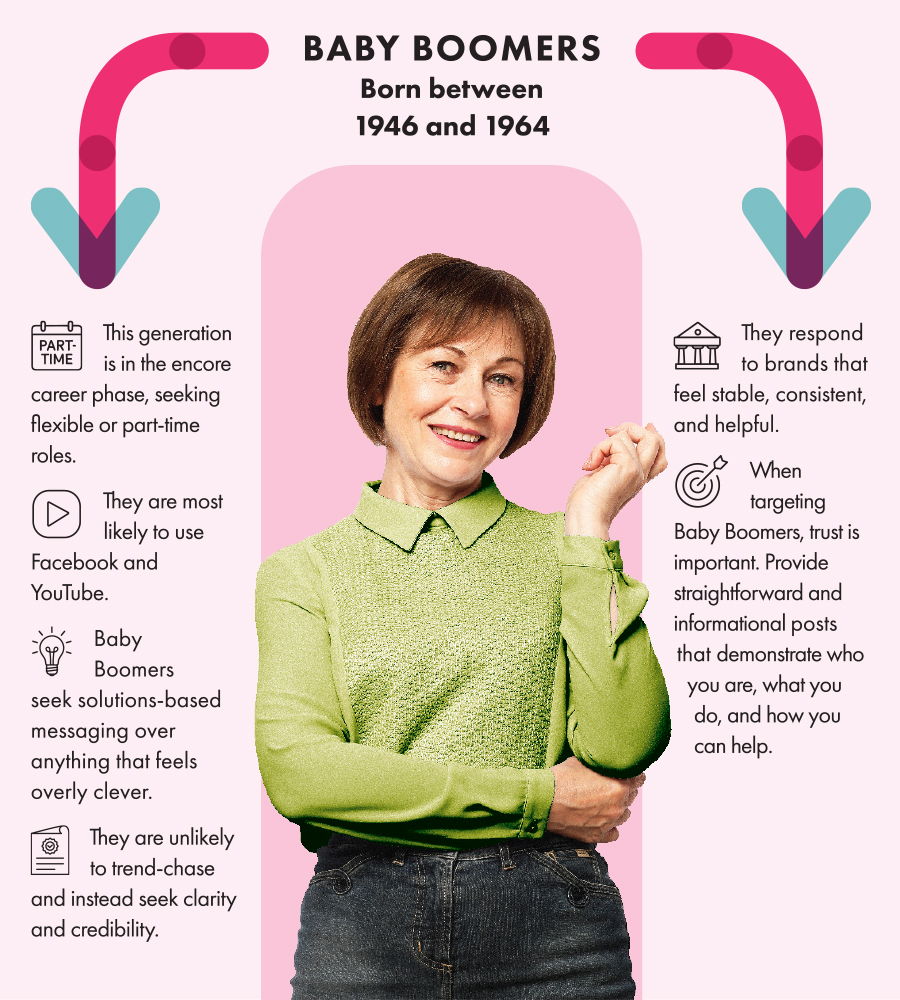
Millennials make up the largest share of the workforce, followed closely by Gen X, with Gen Z growing quickly, and Baby Boomers still active but gradually shrinking in representation. Most workplaces, and most trade show audiences, include four generations making decisions, researching vendors, and interacting with brands in very different ways. That means social media can't be one-size-fits-all.



Editorial
Muscle Memory
We didn't invent trade shows. We inherited them. They represent humanity's oldest behavior.
Exhibitor Q & A
Staff Training
I want to make sure my staff goes to our next show prepared to speak to anyone who walks into our booth.
Ask Dan
Problem Solving
I want to encourage my staff's creative problem-solving at shows. How can I do that?
Exhibiting 101
David Versus Goliath
In a sea of show-floor behemoths, a small booth can employ the proverbial slingshot to hit above its weight.
Fuel
Ideas That Work
Queue the Experience, Build-a-Brand, Pillow Talk, and more
Products
New Tools
Three Can't-Miss Product Launches
Fixing Snafus
Location, Location, Relocation
When your perfectly installed booth needs to relocate twice in one day...
Archive
Message in a Bottle
1895: The Bordeaux Exposition features a giant bottle of absinthe
Quiz
Cross Examination
Decipher the clues to fill out the crossword puzzle with some of our industry's peculiar jargon and slang.
Design Awards
EuroShop: Design's Global Arena
Every three years, EuroShop sets the tone for what retail and exhibit design will become.
International
Designing with Purpose
When it comes to sustainability and experiential design, the world's best stands are raising the bar.
Portfolio
Serving Up Style
Six innovative designs that turned traditional hospitality into memorable highlights of the exhibition experience
Social Media
Posting with Purpose
If your social media strategy is just announcing your booth number, you're missing the point.
Experiential
Ready! Steady! Activation!
Providence, Rhode Island offers plenty of inspiration for event planners trying to engage the public.
Brand Strategy
Crowd Control
Five companies, big and small, show how they de-clutter their multiple brands.