exhibitor q&a
Help!

Graphics
QMy company likes to tailor our messaging to different audiences at different trade shows. What are some cost-effective ways to refresh my booth graphics without undergoing a full redesign?
Exhibit graphics are the visual heartbeat of any exhibit. They're typically the first thing attendees notice, and they play a pivotal role in telling your brand's story on the show floor. But what if your graphics have started to feel stale or your messaging evolves? Replacing your entire suite of graphics every year can be costly, logistically challenging, and wasteful.
Fortunately, exhibitors have access to a wealth of creative strategies for refreshing booth graphics without embarking on a full-scale redesign. In fact, most savvy exhibitors treat their displays like wardrobes. They invest in timeless foundation pieces (e.g., ID structures, lighting plans, modular frameworks, etc.) and swap some of their graphics (e.g., hero backdrops, counter wraps, product panels) each season. Here are some strategies to help you do just that.
Go Modular
Choose a structural graphics system that's meant to be refreshed. Modular frames, extrusions, and silicone-edge (SEG) fabric components can quickly be removed and replaced.
SEG fabric panels slip into aluminum frames and create a seamless, high-end look. They're also light and foldable, which results in lower weight-related drayage and transportation costs, and inexpensive to reprint compared with rigid panels. Plus, because the frames remain the same, you can change imagery, colors, or messaging at a fraction of the cost of a full redesign.
Employ Digital Integrations
Adding screens and digital signage doesn't always replace the need for physical graphics, but it extends your storytelling capabilities. By changing out digital graphics, you can alter campaign themes, highlight new products, rotate testimonials, or amplify live social media activity not only between individual shows but also between show days or even across hours at the same event.
If your booth hosts frequent launches, demonstrations, or scheduled talks, a small bank of screens gives you the flexibility to keep the look evolving without any print costs. Digital also lets you localize quickly, enabling you to swap in region-specific text, highlight local case studies, or run local promotions.
That said, digital isn't a cure-all, particularly when it comes to video. In show halls that are visually and auditorily noisy, balance motion videos with calm, readable anchor graphics. If you have a tight budget, consider a hybrid approach. Employ large SEG or printed hero panels for brand clarity paired with one or two strategically placed screens for dynamic content and callouts.
Design with Change in Mind
When designing graphics artwork, leave safe zones where copy can be updated without recreating the whole file. This means using layered source files and consistent grid systems so product names and short messages can be swapped by a graphic designer without rebuilding layouts from scratch. And of course, keep a master brand palette and typography family so new creative elements feel cohesive even if they're sourced from different campaigns or print runs.
Along these same lines, consider the mix of long-term and short-term messaging. While you might swap out new product- or campaign-specific panels, headlines or brand statements that communicate your core proposition should remain constant across multiple shows. This approach stretches creative budgets and maintains brand recognition while allowing you to highlight new offerings.
Repurpose Existing Graphics
If your current visuals include timeless imagery or core brand messaging, they can often be reworked into updated layouts with only minor design adjustments. You can also maximize flexibility by using double-sided prints or reversible panels paired with standoff mounting systems. This setup lets you switch between two different designs depending on the event, audience, or theme. Repurposing graphics not only extends their lifespan and reduces production costs, but also supports sustainability efforts, demonstrating your brand's commitment to minimizing waste, a value that continues to resonate with both exhibitors and attendees.
Optimize Lighting
Area rugs, stools, display pedestals, plants, and more often function like accessories in a fashion wardrobe. That is, they're inexpensive to change, offer high visual return, and can help signal a new campaign or season.
Lighting is another relatively inexpensive lever to pull that can dramatically impact the look and feel of existing graphics. Fresh LED washes, a revised light plan that highlights new content, or simply changing the color temperature can alter the booth's mood dramatically without reprinting a single graphics panel.
Upsize Graphics, Downsize Quantity
Every element in your space should contribute to the brand or theme of the space. However, that doesn't mean it needs to be plastered with your logo.
Thus, before you implement myriad graphics that need to be changed out regularly, consider using a few large graphic components (or better yet, digital options) that have staying power. Bigger can be better, and it might just attract more attention than a slew of smaller graphics.
Create a Logical Game Plan
As you plan your annual graphics refresh, sequencing is paramount. Often, it helps to start with the structure. Invest in a modular system that you'll keep for multiple years and that allows for easy graphics swaps.
Next, map out which graphic panels you'll keep and which you'll replace. Consider choosing one major panel (back wall or feature graphic) to refresh annually, plus one medium panel and one digital asset. Be sure to maintain your brand's visual identity and theme across years, and use mixed materials (SEG fabric, rigid infills, magnetic boards) to create subtle variation and added interest. Additionally, integrate digital content so that the â?onewâ?� part of your booth is dynamic and easily changeable.
By approaching a graphics refresh this way, you'll keep costs down because only a portion of the graphics will change each year, preserve visual consistency so your brand remains recognizable, and deliver something fresh enough that return visitors and prospects feel intrigued.
Fortunately, exhibitors have access to a wealth of creative strategies for refreshing booth graphics without embarking on a full-scale redesign. In fact, most savvy exhibitors treat their displays like wardrobes. They invest in timeless foundation pieces (e.g., ID structures, lighting plans, modular frameworks, etc.) and swap some of their graphics (e.g., hero backdrops, counter wraps, product panels) each season. Here are some strategies to help you do just that.
Go Modular
Choose a structural graphics system that's meant to be refreshed. Modular frames, extrusions, and silicone-edge (SEG) fabric components can quickly be removed and replaced.
SEG fabric panels slip into aluminum frames and create a seamless, high-end look. They're also light and foldable, which results in lower weight-related drayage and transportation costs, and inexpensive to reprint compared with rigid panels. Plus, because the frames remain the same, you can change imagery, colors, or messaging at a fraction of the cost of a full redesign.
Employ Digital Integrations
Adding screens and digital signage doesn't always replace the need for physical graphics, but it extends your storytelling capabilities. By changing out digital graphics, you can alter campaign themes, highlight new products, rotate testimonials, or amplify live social media activity not only between individual shows but also between show days or even across hours at the same event.
If your booth hosts frequent launches, demonstrations, or scheduled talks, a small bank of screens gives you the flexibility to keep the look evolving without any print costs. Digital also lets you localize quickly, enabling you to swap in region-specific text, highlight local case studies, or run local promotions.
That said, digital isn't a cure-all, particularly when it comes to video. In show halls that are visually and auditorily noisy, balance motion videos with calm, readable anchor graphics. If you have a tight budget, consider a hybrid approach. Employ large SEG or printed hero panels for brand clarity paired with one or two strategically placed screens for dynamic content and callouts.
Design with Change in Mind
When designing graphics artwork, leave safe zones where copy can be updated without recreating the whole file. This means using layered source files and consistent grid systems so product names and short messages can be swapped by a graphic designer without rebuilding layouts from scratch. And of course, keep a master brand palette and typography family so new creative elements feel cohesive even if they're sourced from different campaigns or print runs.
Along these same lines, consider the mix of long-term and short-term messaging. While you might swap out new product- or campaign-specific panels, headlines or brand statements that communicate your core proposition should remain constant across multiple shows. This approach stretches creative budgets and maintains brand recognition while allowing you to highlight new offerings.
Repurpose Existing Graphics
If your current visuals include timeless imagery or core brand messaging, they can often be reworked into updated layouts with only minor design adjustments. You can also maximize flexibility by using double-sided prints or reversible panels paired with standoff mounting systems. This setup lets you switch between two different designs depending on the event, audience, or theme. Repurposing graphics not only extends their lifespan and reduces production costs, but also supports sustainability efforts, demonstrating your brand's commitment to minimizing waste, a value that continues to resonate with both exhibitors and attendees.
Optimize Lighting
Area rugs, stools, display pedestals, plants, and more often function like accessories in a fashion wardrobe. That is, they're inexpensive to change, offer high visual return, and can help signal a new campaign or season.
Lighting is another relatively inexpensive lever to pull that can dramatically impact the look and feel of existing graphics. Fresh LED washes, a revised light plan that highlights new content, or simply changing the color temperature can alter the booth's mood dramatically without reprinting a single graphics panel.
Upsize Graphics, Downsize Quantity
Every element in your space should contribute to the brand or theme of the space. However, that doesn't mean it needs to be plastered with your logo.
Thus, before you implement myriad graphics that need to be changed out regularly, consider using a few large graphic components (or better yet, digital options) that have staying power. Bigger can be better, and it might just attract more attention than a slew of smaller graphics.
Create a Logical Game Plan
As you plan your annual graphics refresh, sequencing is paramount. Often, it helps to start with the structure. Invest in a modular system that you'll keep for multiple years and that allows for easy graphics swaps.
Next, map out which graphic panels you'll keep and which you'll replace. Consider choosing one major panel (back wall or feature graphic) to refresh annually, plus one medium panel and one digital asset. Be sure to maintain your brand's visual identity and theme across years, and use mixed materials (SEG fabric, rigid infills, magnetic boards) to create subtle variation and added interest. Additionally, integrate digital content so that the â?onewâ?� part of your booth is dynamic and easily changeable.
By approaching a graphics refresh this way, you'll keep costs down because only a portion of the graphics will change each year, preserve visual consistency so your brand remains recognizable, and deliver something fresh enough that return visitors and prospects feel intrigued.

Brittani Mumford
senior graphic designer,
Exhibit Concepts Inc., Vandalia, OH

Andrew Sollenberger
general manager, chief marketer network,
Access Intelligence Rockville, MD

Editorial
Some Things Never Change
Forty years ago we were putting business cards in fishbowls and traveling on blissfully Wi-Fi-free airplanes.
Exhibitor Q & A
Graphics
What are some cost-effective ways to refresh my booth graphics without undergoing a full redesign?
Ask Dan
Effective Brainstorming
How can I ensure my pre-show group brainstorming sessions aren't a waste of time?
Exhibiting 101
Extend Your Reach
From emails to apps, pre-show outreach can maximize your visibility and improve your odds of success onsite.
Fuel
Ideas That Work
Quiet Power, Write on Cue, Stage Presence, and more
Products
New Tools
Three Can't-Miss Product Launches
Advertorial
Aluvision
Designed for Impact & Efficiency
Conventional Wisdom
Broward County Convention Center
Broward County Convention Center's vibe screams meeting space meets cruise-port chic.
Fixing Snafus
Sharpies Save the Show
This Plan B comes from the office-supply aisle and the imagination of a good designer.
Quiz
Show or Sham?
Try to guess which shows are real and which are shams in this month's quiz
Archive
Seeing the Future
1911: The Dresden International Hygiene Exhibition
City Profile
Get Out: Fort Lauderdale, Florida
Fort Lauderdale blends beach-town ease with nightlife, culture, and coastline intrigue
Insight
Breaking Barriers
Few issues have changed the business landscape like that of accessibility.
International
Exhibiting Internationally
Here are four things you need to know before taking your exhibit abroad.
Planning
Gen Z Thinks Your Conference Is Cringe
Here are four ways to adjust your event to meet the unique needs of Gen Z.
Portfolio
Counter Intelligence
In the competitive landscape of trade show exhibits, the reception desk stands as your first point of contact.
Awards
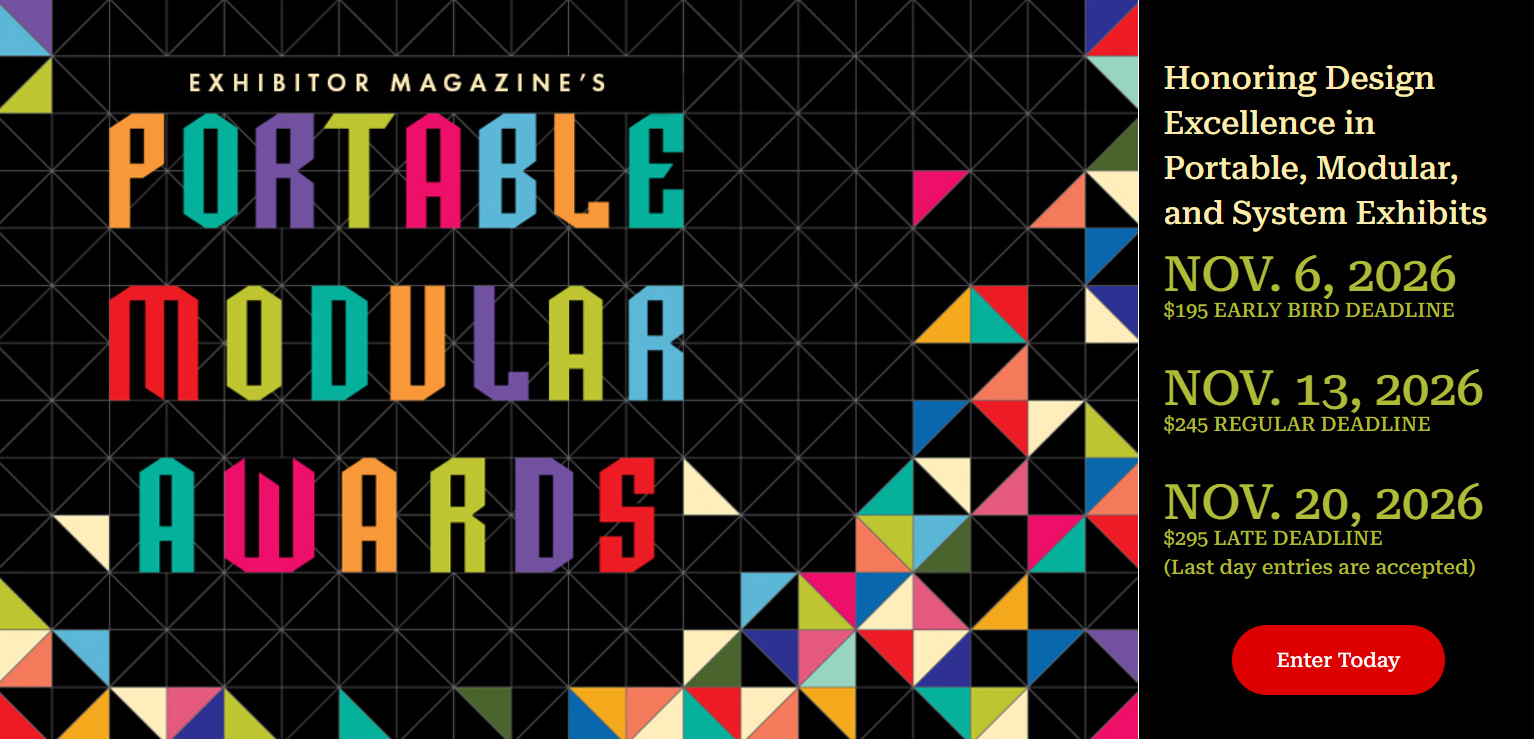
EXHIBITOR Magazine's 13th Annual Portable/Modular Awards
Read about the portable, modular, and system exhibits that took home top honors.
Interview
It's All About the People
Derse Inc. leaders discuss industry trends, cost-effective activations, and ensuring a meaningful trade show program.
Salary Survey
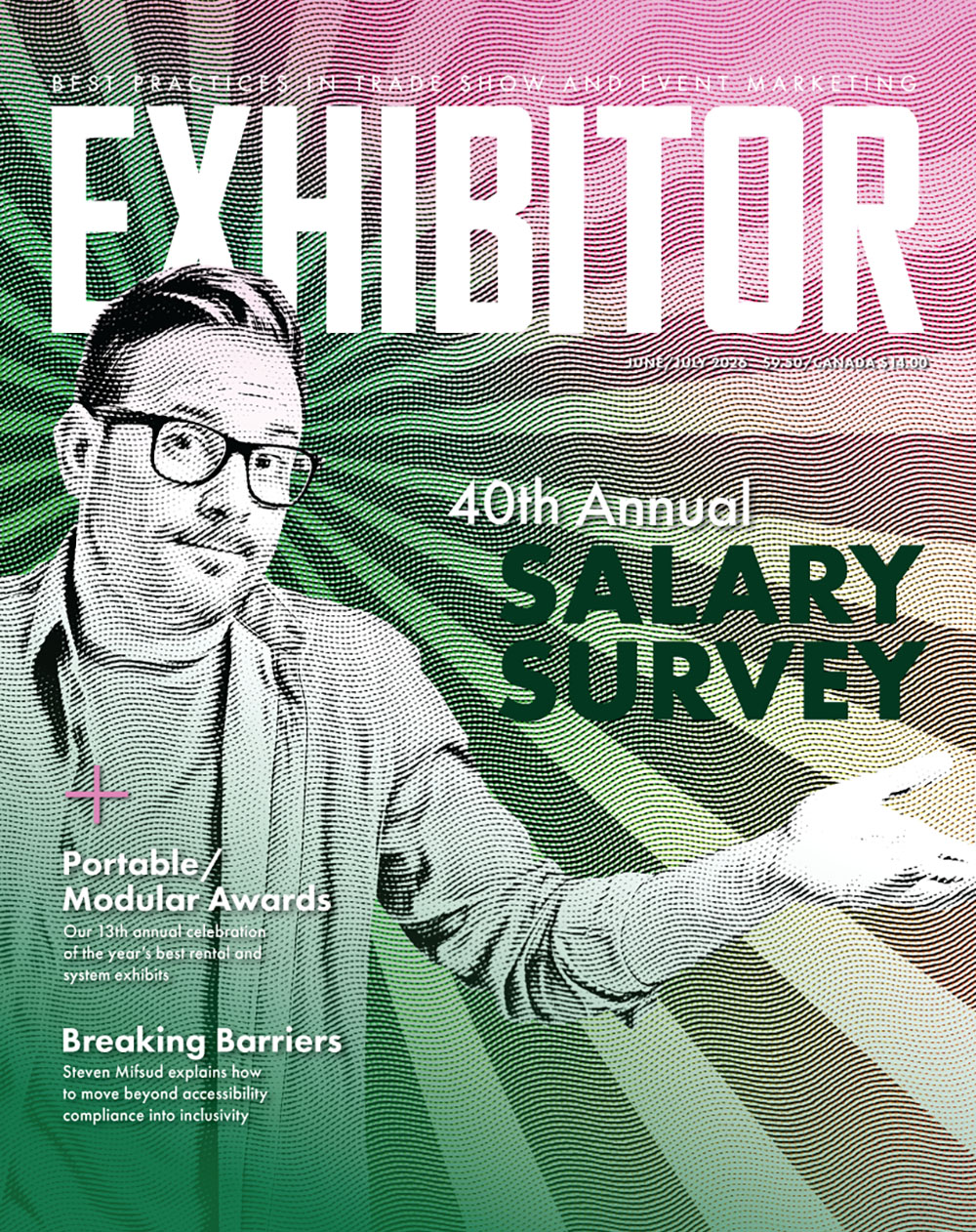
40th Annual Salary Survey
Forty years in and the numbers look good: annual raises, strong support for events, and six-figure salaries.
Salary Survey
40th Annual Salary Survey by Title
The full 2026 Salary Survey, including an in-depth analysis of the six most common jobs